Garage Door Opener Motor Replacement Guide 2026: Step-by-Step DIY and Professional Insights
What is a Garage Door Opener Motor?
The garage door opener motor is the heart of your automatic garage door system, responsible for powering the movement of the door. Typically an electric motor housed within a sturdy motor housing, it transforms electrical energy into mechanical motion. The motor works in tandem with critical components such as the gearbox assembly, motor shaft, and transmission gear to drive the door open or closed smoothly. Essential parts like motor brushes and a capacitor unit support efficient motor functionality by maintaining consistent current flow and reducing wear.
This motor interfaces with various systems—such as the control panel, remote control, and wall console—to operate safely and responsively. Understanding these components provides a solid foundation when considering a motor replacement or repair.
Signs You Need a Garage Door Opener Motor Replacement
Recognising when your garage door opener motor requires replacement is crucial for timely repairs and preventing further damage. Common symptoms indicating motor failure include:
- Unusual noises: Grinding, squealing, or humming sounds may signal worn motor brushes or faulty gearbox components.
- Slow or inconsistent operation: If the door opens or closes sluggishly or stops midway, the motor might be losing power or struggling with the transmission gear.
- Motor overheating: Excessive heat, often causing the motor to shut off repeatedly, points to internal wear or electrical issues.
- Frequent motor resets: Constant tripping of the breaker switch or blown fuses often accompanies motor malfunctions.
- Failure to respond to controls: When the motor does not respond to the remote control or wall console, wiring problems or motor failure could be the cause.
If you notice any combination of these signs, it’s time to consider a garage door opener motor replacement to ensure safe and efficient door operation.
Tools and Parts Needed for Replacement
Before beginning the replacement process, gather the necessary tools and parts to work efficiently and safely. The essential items typically include:
- Drive belt, chain drive, or screw drive: Depending on your garage door opener type, you’ll need the matching transmission mechanism.
- Trolley rail and mounting bracket: These support and guide the motor and door movement.
- Limit switch and wiring harness: Critical for controlling door travel limits and electrical connections.
- Fuse holder and breaker switch: Ensure electrical safety during installation.
- Lubrication oil and motor cooling components: To maintain smooth motor operation and prevent overheating.
- Installation kit: Often includes screws, end caps, and specialized connectors for the motor unit.
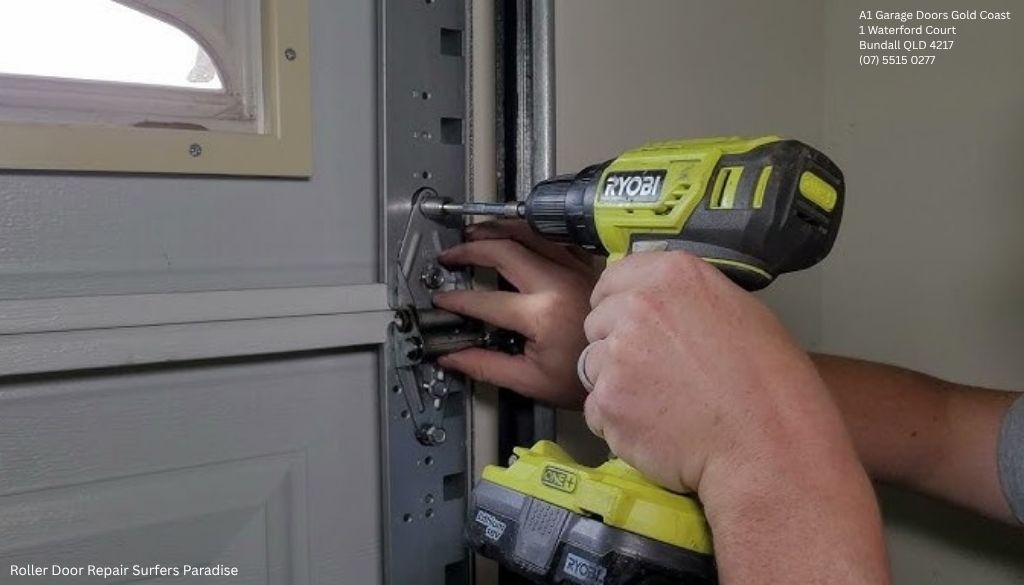
- Basic hand tools: Screwdrivers, wrenches, pliers, voltage tester, and possibly a cordless drill.
Having these parts and tools on hand will streamline the motor replacement process, whether you opt for DIY or hire a professional.
Step-by-Step Guide to Replacing Your Garage Door Opener Motor
Preparing for Replacement
Preparation is key to a safe and successful motor replacement. Follow these initial steps:
- Turn off power supply: Ensure the garage electrical circuit is completely disconnected to avoid shocks.
- Disconnect wiring: Carefully unplug wiring harnesses connected to the motor and control board.
- Disable alarm system: If your garage has a security or alarm system linked to the door, disable it to prevent false alarms during work.
- Remove wireless keypad and remote controls: Safely take down any wireless devices attached to the opener for protection.
Taking these precautions ensures your safety and prevents accidental motor activation during replacement.
Removing the Old Motor
Once prepared, proceed to remove the existing motor assembly:
- Disconnect the motor shaft: Loosen couplers or clamps securing the motor shaft to the transmission gear.
- Release clutch mechanism: Disengage any clutches that connect the motor to the pulley system.
- Remove pulley system and roller wheels if needed: In some models, detaching these components is necessary for motor removal.
- Unscrew motor mounting brackets: Carefully unfasten all screws and bolts holding the motor housing and bracket.
- Extract old motor and associated components: Gently pull out the motor unit from the trolley rail and nearby framework.
Handle all parts with care to avoid damaging the door tracks or electronics.
Installing the New Motor
After removal, install the new motor by following these key steps:
- Align the transmission gear: Ensure the gear meshes perfectly with the motor shaft to avoid operational stress.
- Set up the encoder sensor: Some models require precise calibration of position sensors for accurate door movement detection.
- Connect circuit board and wiring harness: Attach all electrical connections firmly according to the wiring diagram provided.
- Mount rail brackets and motor housing: Secure the motor assembly onto the trolley rail and fix mounting brackets tightly.
- Install end caps and covers: Protect internal components from dust and moisture by fitting protective covers.
Ensure all connections and fittings are tight and secure for roller door repair gold coast optimum safety and performance.
Testing and Adjustments
Once installed, conduct thorough testing and fine-tune settings to achieve smooth operation:
- Adjust speed and torque settings: Use controls on the motor or control panel to optimise opening and closing speed.
- Calibrate safety sensors: Make sure safety sensors aligned properly to prevent accidents.
- Set limit switches: Adjust switches to define maximum door travel distances accurately.
- Check motor cooling: Confirm ventilation and motor cooling mechanisms function correctly to prevent overheating.
Proper adjustment guarantees long-term reliability and quieter operation.
Troubleshooting Common Issues After Replacement
Even after replacement, some issues may arise. Here are common problems and fixes:
- Fuse holder check: A blown fuse may disrupt power; replace promptly.
- Breaker switch reset: If the circuit breaker trips repeatedly, inspect wiring for shorts or motor faults.
- Noise troubleshooting: Persistent noise can indicate misaligned gears or loose components; tighten or lubricate accordingly.
- Motor overheating solutions: Ensure proper motor cooling and verify the capacitor unit and brushes are in good condition.
If problems persist, consulting a professional technician is recommended to avoid damage.
Professional Garage Door Opener Motor Replacement Services
Some homeowners prefer hiring experts for peace of mind and guaranteed results. Professional services offer benefits such as:
- Expert diagnosis and parts sourcing: Technicians identify exact issues and source compatible motors quickly.
- Certified installation: Ensures compliance with industry standards and manufacturer guidelines.
- Warranty coverage: Many services provide warranties on parts and labour for added protection.
- Cost estimates: Transparent pricing helps budget for both parts and labour expenses.
Costs for professional garage door opener motor replacement vary by region and motor type but typically range between $250 and $600 including labour. Investing in expert installation can extend motor life and enhance safety.
Maintenance Tips to Extend Motor Life
Proper maintenance can drastically increase your garage door opener motor’s lifespan. Key tips include:
- Regular lubrication oil application: Lubricate moving parts like gears, chains, and rollers to reduce friction and wear.
- Inspect door springs and hinge pins: These affect motor load; damaged springs increase motor strain.
- Maintain track system cleanliness: Clear debris and check alignment to prevent binding.
- Weather seal upkeep: Protect the door interior and motor components from moisture and dust infiltration.
- Routine safety sensor checks: Ensure sensors and emergency release mechanisms function correctly.
Consistent maintenance keeps your motor running smoothly and reduces unexpected failures.
Frequently Asked Questions About Garage Door Opener Motor Replacement
How do I know if my garage door opener motor needs replacing?
Signs include unusual noises, slow door movement, frequent resets, overheating, and failure to respond to controls.
Can I replace the garage door opener motor myself, or should I hire a professional?
DIY replacement is possible with mechanical aptitude and proper tools. However, for complex systems or safety concerns, professional installation is recommended.
What are the most common reasons garage door opener motors fail?
Wear and tear on motor brushes, capacitor failure, overheating due to poor ventilation, and mechanical stress from faulty door components are frequent causes.
How long does it take to replace a garage door opener motor?
A typical motor replacement takes between 2 to 4 hours, varying by model complexity and installer experience.
What safety measures should I take during replacement?
Always disconnect power, wear protective gloves and eyewear, disable alarm systems, and follow manufacturer wiring diagrams carefully.
Will replacing the motor affect my garage door warranty?
Replacing parts yourself may void some warranties unless OEM parts and certified procedures are used; consult your warranty terms before proceeding.
How much does a garage door opener motor replacement usually cost?
Costs generally range from $250 to $600, depending on motor brand, type, and labour rates.
Can I upgrade to a quieter or more efficient motor during replacement?
Yes, modern motors with belt drives and smart features are available during replacement to improve noise reduction and energy efficiency.
Replacing your garage door opener motor restores reliable and safe access to your garage. Whether you choose a DIY approach or professional help, understanding the process, required tools, and precautions is vital for success. Keep your motor maintained and promptly address any issues to enjoy years of smooth garage door operation.Our Sponsor
A1 Garage Doors Gold Coast
A1 Garage Doors Gold Coast is a Bundall-based garage door specialist serving the southern Gold Coast and surrounding suburbs with installation, repair, maintenance, and emergency garage door services. The company specializes in sectional doors, roller doors, garage door openers, spring and cable replacement, opener motor repair, smart-enabled installations, and 24/7 emergency call-outs across Robina, Burleigh Heads, Surfers Paradise, Nerang, Coomera, and the wider Gold Coast region.
Address:
1 Waterford Court,
Bundall,
QLD
4217,
Australia
Phone: (07) 5515 0277
Business Hours:
- Open 24/7 — Including After-Hours and Emergency Call-Outs
Follow Us: