Garage Door Repair After Power Surge: Complete Guide to Diagnose and Fix Electrical Damage
Understanding How Power Surges Affect Garage Doors
Power surges are sudden spikes in electrical voltage that flow through household wiring, potentially damaging sensitive components in your garage door system. These surges often occur during lightning storms, faulty wiring, or after power outages when electricity returns abruptly. Garage door openers rely heavily on electrical wiring, conductive materials, and electronic components such as control boards, motors, and sensors, all of which can be vulnerable to short circuits or overload due to voltage spikes.
When a power surge hits, it may cause:
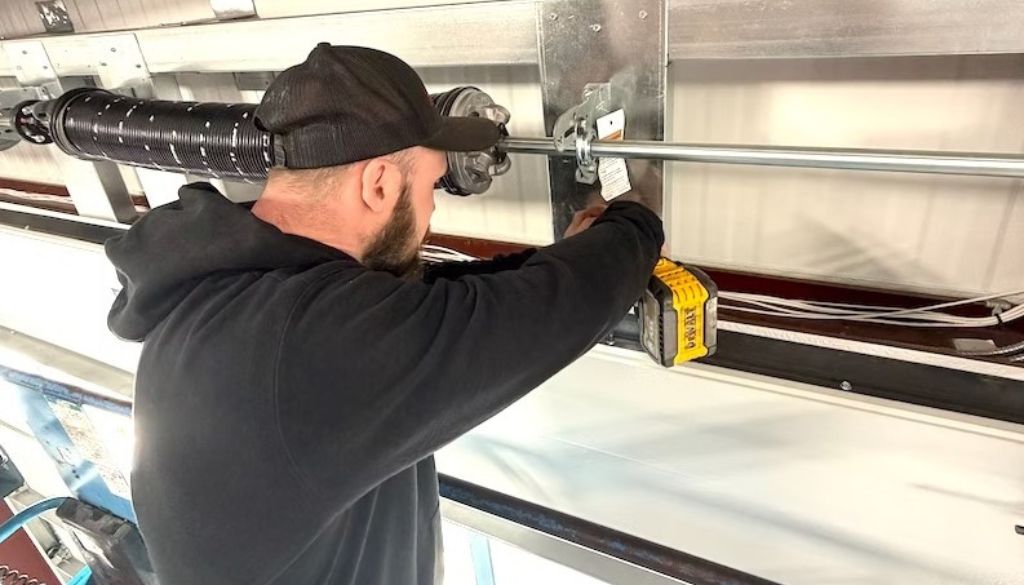
- Electrical damage in motor units, control boards, and wiring insulation.
- Blown fuses or tripped breakers in the breaker box.
- Malfunctioning photo eye sensors or sensor alignment issues.
- Disrupted communication between remote controls, keypads, and the transmission module.
- Potential mechanical stress if the motor falters mid-operation, affecting springs, cables, rollers, and door balance.
Using surge arrestors and proper grounding can help minimise the impact of power surges, but understanding how these factors interact with your garage door opener’s insulator and conductor systems is vital for effective troubleshooting.
Common Signs Your Garage Door Has Been Damaged by a Power Surge
After a power surge, your garage door may exhibit several symptoms indicating electrical and mechanical problems. Identifying these early helps you take the right actions before issues worsen.
Symptoms in Electronic Components
- Motor failure: The opener motor may fail to start, hum without moving the door, or shut down abruptly.
- Control board malfunction: Burnt smells, visible scorch marks, or complete non-responsiveness are common signs of circuit board failure.
- Reset button not working: Attempts to reset the garage door opener fail because the internal electronics are damaged.
- Breaker box tripped or fuse blown: The power circuit controlling the door may trip repeatedly or require fuse replacement.
- Remote control unresponsive: Communication between the remote and transmission module may be interrupted, requiring reprogramming or replacement.
Mechanical Issues Triggered by Power Surge
- Spring damage: Sudden motor halts can put strain on torsion springs, causing breakage or wear.
- Rollers and tracks problems: Misalignment or obstruction from abrupt stops can affect roller movement along tracks.
- Door balance issues: Electrical faults might lead to improper operation, making the door difficult to raise manually via emergency release.
- Manual release failure: Lock mechanisms or emergency release cords might jam due to mechanical stress.
Step-by-Step Garage Door Repair After Power Surge
Repairing your garage door after a power surge involves careful diagnostics and can include both electrical and mechanical fixes. Follow these steps to troubleshoot and repair your garage door safely.
Safety Precautions Before Starting Repairs
- Turn off power supply to the garage door opener at the breaker box to avoid electrical shock.
- Disconnect the opener motor using the manual release or emergency release cord.
- Ensure proper grounding by confirming wiring connections meet safety standards.
- Wear insulated gloves and use insulated tools when handling electrical parts.
How to Inspect and Repair Electrical Components
Start with a visual inspection of the gold coast garage door services control board and wiring. A continuity test using a multimeter can identify breaks or shorts in the electrical wiring or damaged conductors and insulators.
- Fuse replacement: Check and replace any blown fuses protecting the circuit.
- Control board replacement: If the control board shows signs of failure (burn marks or no response), replace it with manufacturer-approved parts.
- Sensor realignment: Verify the photo eye sensors are clean, properly aligned, and free of obstructions.
- Wiring repair: Replace damaged or frayed wires, ensuring all connections are secure and well insulated.
- Resetting the opener: Press the reset button after repairs to restore factory settings if needed.
Mechanical Repairs Post Power Surge
After electrical issues are addressed, inspect mechanical components that might have suffered due to sudden stops or electrical failures.
- Spring replacement: Check torsion springs for any fractures or loss of tension; replace if damaged.
- Cable repair: Look for frayed or broken cables and replace them promptly to maintain door balance.
- Door panel inspection: Examine door panels and lock mechanisms for physical damage or misalignment.
- Rollers and tracks: Lubricate rollers and adjust track alignment to ensure smooth movement.
When to Call a Professional Service
If diagnostics reveal complex electrical faults such as a faulty transmission module, repeated circuit board failures, or if mechanical damage is extensive, contacting professional garage door technicians is advisable. Professionals offer:
- Advanced diagnostics using specialised equipment.
- Expert replacement part sourcing and installation.
- Safe handling of electrical components and compliance with local electrical codes.
- Comprehensive maintenance check following repairs.
Preventative Measures to Protect Your Garage Door from Future Power Surges
Protecting your garage door from future power surges not only extends its lifespan but also prevents costly repairs. Implement the following measures:
- Surge protector installation: Install a high-quality surge protector specifically designed for garage door openers at the breaker box or on the opener unit itself.
- Battery backup systems: Equip your garage door opener with a battery backup to maintain function during power outages and prevent damage caused by sudden voltage changes.
- Proper grounding: Ensure all garage door opener wiring and components are correctly grounded to dissipate electrical surges safely.
- Regular maintenance check: Schedule periodic inspections to verify the integrity of electrical wiring, control boards, sensors, and mechanical parts like springs and cables.
- Use of surge arrestors: Integrate surge arrestors in your home electrical system to reduce overall voltage spikes reaching the garage door system.
Frequently Asked Questions About Garage Door Damage After Power Surges
What should I do immediately if my garage door stops working after a power surge?
First, disconnect power at the breaker box and unplug the garage door opener to prevent further damage. Inspect visible components for obvious damage and consult a professional if you’re unsure. Avoid forcing the door manually until it’s safe to operate.
Our Sponsor
A1 Garage Doors Gold Coast
A1 Garage Doors Gold Coast is a Bundall-based garage door specialist serving the southern Gold Coast and surrounding suburbs with installation, repair, maintenance, and emergency garage door services. The company specializes in sectional doors, roller doors, garage door openers, spring and cable replacement, opener motor repair, smart-enabled installations, and 24/7 emergency call-outs across Robina, Burleigh Heads, Surfers Paradise, Nerang, Coomera, and the wider Gold Coast region.
Address:
1 Waterford Court,
Bundall,
QLD
4217,
Australia
Phone: (07) 5515 0277
Business Hours:
- Open 24/7 — Including After-Hours and Emergency Call-Outs
Follow Us:
Can I safely inspect and repair my garage door’s electrical parts myself?
Basic inspections like checking fuses or sensor alignment can be done safely with proper precautions. However, repairs involving circuit boards, wiring replacement, and control modules should be handled by trained technicians due to risk of electric shock and complex diagnostics.
How can I tell if the control board or motor is damaged by the surge?
Signs include the motor humming but the door not moving, burnt smells near the opener, tripped breakers, or the garage door opener failing to respond to remotes or wall switches. Visual burns or scorch marks on the circuit board also indicate damage.
What are the signs that my garage door springs or cables were affected by a power surge?
Although mechanical parts aren’t directly damaged by electrical surges, sudden stops can cause springs to snap or cables to fray. If the door feels unbalanced or is difficult to lift manually via the emergency release, springs or cables may need inspection and possible replacement.
How much does it typically cost to repair garage doors damaged by electrical surges?
Costs vary based on severity but generally range from $150 to over $600 for electronic component replacements like control boards or motors. Mechanical repairs such as spring or cable replacement add to costs. Getting a professional diagnostic estimate is recommended.
Is installing a surge protector on my garage door opener worth it?
Absolutely. Surge protectors guard sensitive electronics within your garage door opener from voltage spikes, extending their lifespan and reducing risk of expensive repairs.
How do I reset my garage door opener after a power outage or surge?
Locate the reset button on your opener’s control board or unit, press and hold it according to manufacturer instructions, and reprogram remotes if necessary. Always check the user manual for model-specific guidance.
Can a power surge cause permanent mechanical damage to my garage door?
While surges mostly affect electrical components, mechanical damage can occur indirectly through abrupt stops or forced manual operations during outage events. Regular inspections after surges are essential to catch and repair any hidden mechanical issues.
ConclusionGarage door repair after a power surge requires a clear understanding of how electrical and mechanical components interact and can be damaged by voltage spikes. Early identification of symptoms, safe troubleshooting practices, and timely repair of both electronic parts and mechanical elements will restore your garage door’s functionality and safety. Employing preventative measures such as surge protectors and battery backups further safeguards your investment. When in doubt, consult professional garage door repair services to ensure expert diagnostics and quality repairs. Stay vigilant and proactive to keep your garage door operating smoothly despite electrical disturbances.